
How a job runs
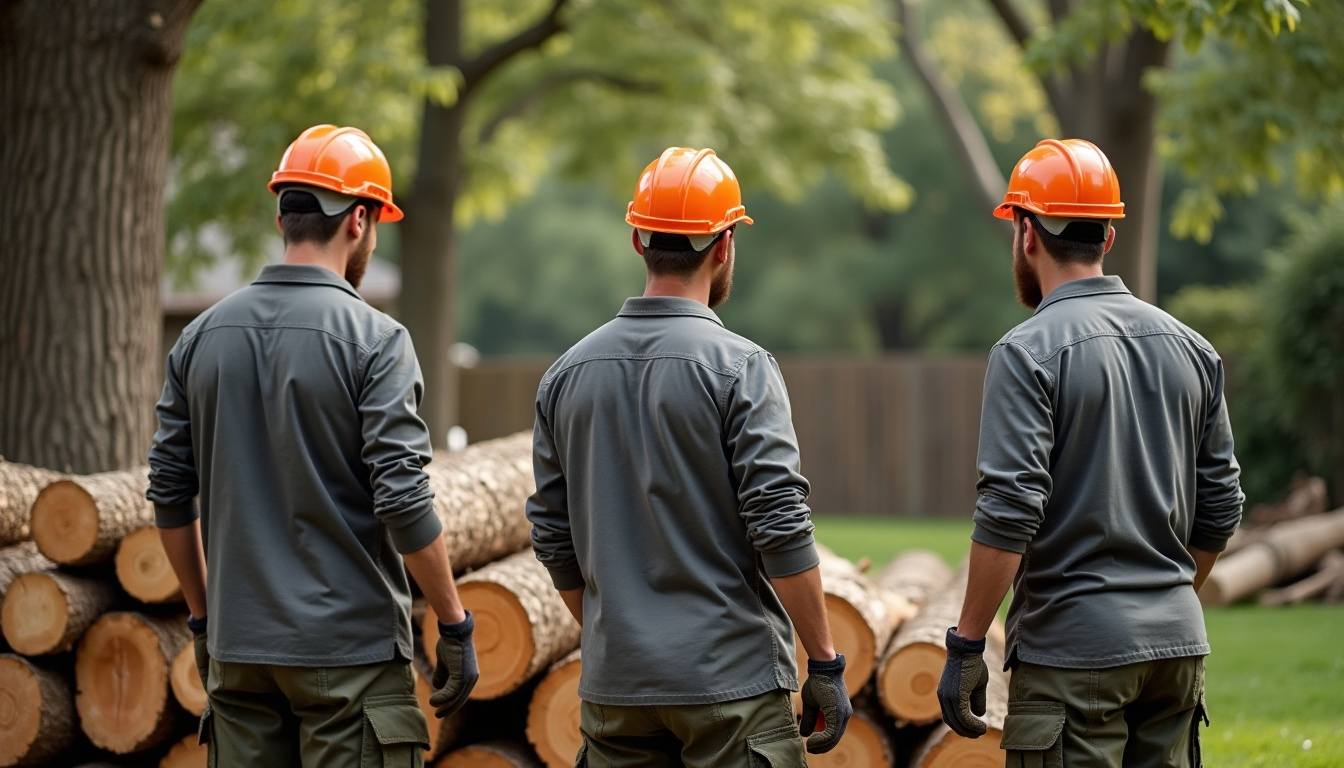
Every job starts in the yard. We look at the trunk and the base for decay, check the lean and which way the weight sits, and look at what is underneath: the roof, the drive, the fence, the line from the pole. Greenwood has a bit of everything. Older homes and former mill villages around Uptown and Lander University often have big oaks planted close to the house decades ago, while newer subdivisions along Bypass 72 and Highway 25 tend to have pines left standing a few feet from a roof when the lot was cleared.
From that walk-around comes a plan: what gets cut, in what order, where the wood goes and how the yard will look when we leave. Every tree job is priced after someone has walked the yard and looked up into the tree, with the price in writing before a saw starts. If something turns up once the work begins, like a trunk that is hollow inside or a limb heavier than it looked, you hear about it before we go on.
What you can count on
We tell you when a tree does not need to come down. Plenty of the water oaks and pines we look at only need deadwood out and a limb or two lifted, and saying so is part of the job. Cleanup is done to the standard we would want in our own yard: brush chipped or hauled, wood cut to length or taken away as you prefer, and the lawn raked before we pull out.
We watch the weather the way you do. Greenwood County falls under the National Weather Service office in Greenville-Spartanburg, which puts out the thunderstorm, ice storm and tropical warnings for the Lakelands. When one of those goes up we plan around it, and once the storm passes, trees on houses and blocked driveways get looked at first.