
When a Tree Has to Go
Water oaks are the most common reason we get called. They grow fast, shade a yard beautifully for a few decades, then start rotting from the inside. Mushrooms or conks at the base, a hollow sound when the trunk is knocked, dead limbs high in the crown and bark sloughing off in patches are all signs the heartwood is going. A water oak in that state can look green on top right up until it fails.
Loblolly pines fail differently. A pine that went through a dry summer or lost part of its top in a storm can pick up southern pine beetle, and once beetles take hold the needles fade from green to yellow to rusty brown in a matter of weeks. Small pitch tubes on the bark and fine boring dust in the cracks are the giveaway. A beetle-killed pine dries out and gets brittle quickly, and it should come down before the wood starts dropping.
We also look at the ground. Red clay that stays soaked after a wet week cannot hold a shallow root plate well, so a tree that has started to lean, with soil cracking or heaving on the side opposite the lean, is telling you something. Splits running down from a fork, a tree that lost half its crown in the last storm, and roots cut by a recent driveway or sewer trench are other reasons we may tell you it is time.
How We Take a Tree Down
If there is open ground and nothing in the way, a tree can be notched and dropped in one piece along a planned line. That is the quickest and cheapest way, and on farm lots and back pastures it is often all that is needed.
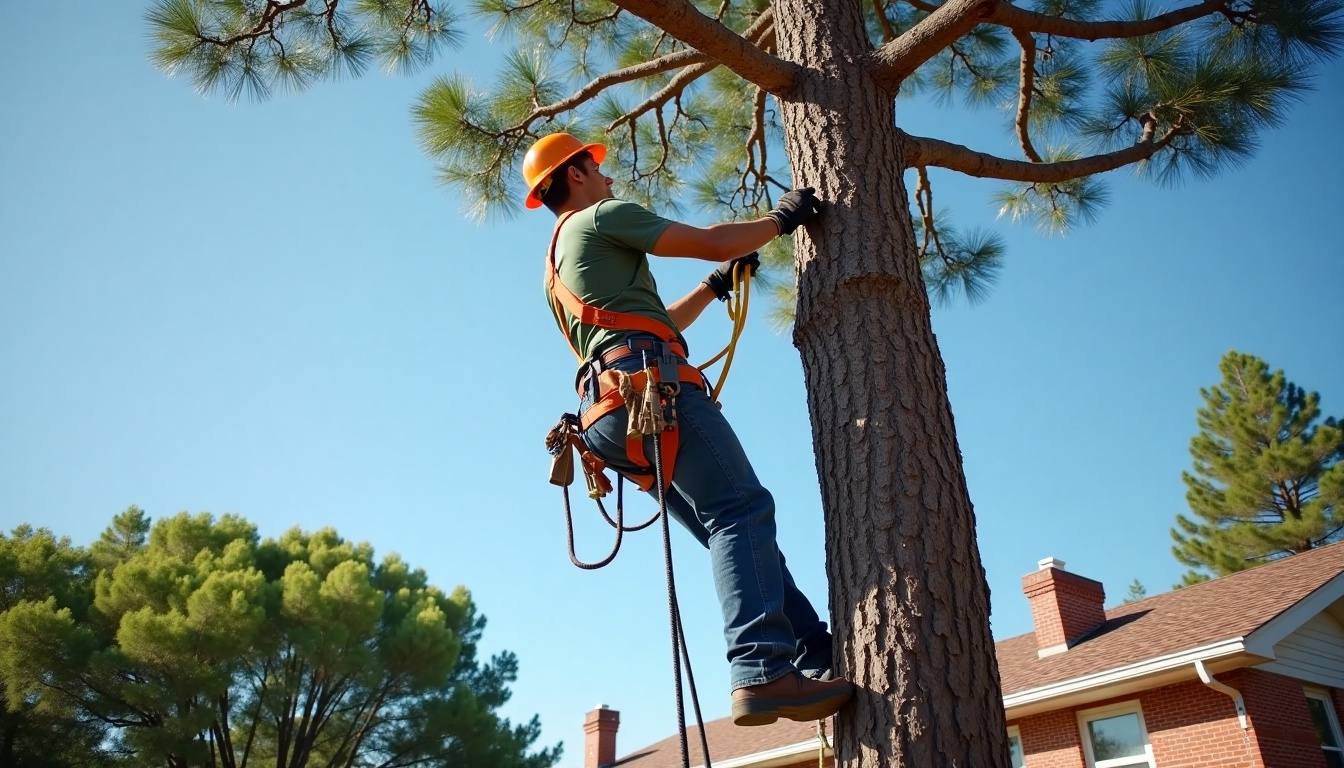
Most yards do not allow it. When a tree stands over a house or close to a shed, the crew takes it apart from the top down. A climber or bucket operator removes limbs first, then the top, then the trunk in sections short enough to control. Pieces that cannot be free-dropped are tied off and lowered on rope through a friction device at the base, so the person on the ground decides exactly how fast and where each one lands. It is slower than felling, and it is the reason a removal next to a house can be done without a scratch on the gutters.
Rigging and Crane Jobs
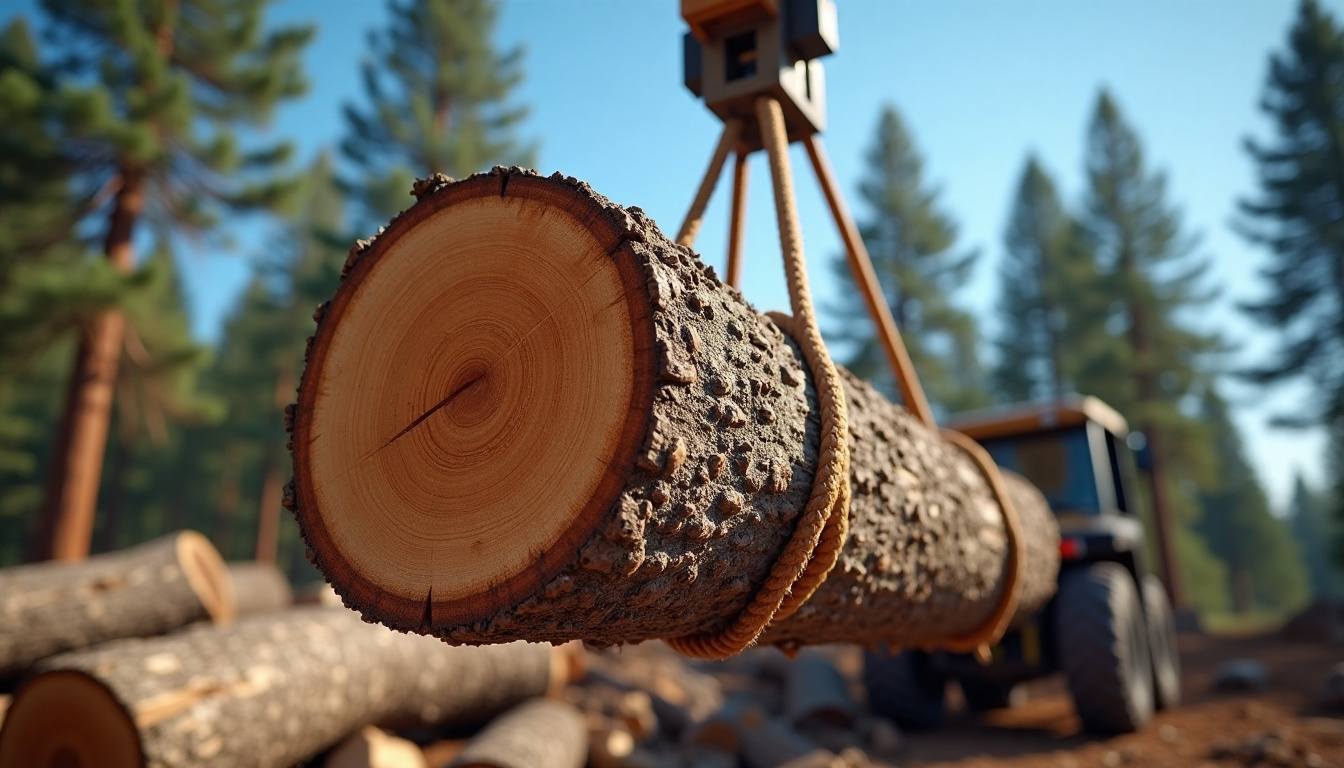
Some trees are too big, too rotten or too boxed in to climb safely. A hollow water oak hanging over two roofs, a dead pine that will not hold a climber's weight, or a tree in a back yard with no room to lower wood are all crane jobs. The crane holds each section before it is cut, lifts it clear of the house and sets it down in the drive or the street, where the crew cuts it up.
Crane work takes more setup: a spot firm enough to set the outriggers, a clear swing path, sometimes a word with the neighbors about where trucks will park for the day. Lake lots bring the same problem from another angle, with mature trees leaning out over the water and no flat ground below them. If your place is on one of the shoreline lots out around Coronaca, expect us to talk through rigging or a lift before anything is cut.
Cleanup and Haul-Off
Limbs go through the chipper as the work goes, and the chips either leave on the truck or get piled where you want mulch. Trunk wood can be hauled off or cut to firewood length and stacked; oak burns well once it has seasoned, pine less so. Before we leave, the yard is raked and the drive, roof edges and beds are blown clean.
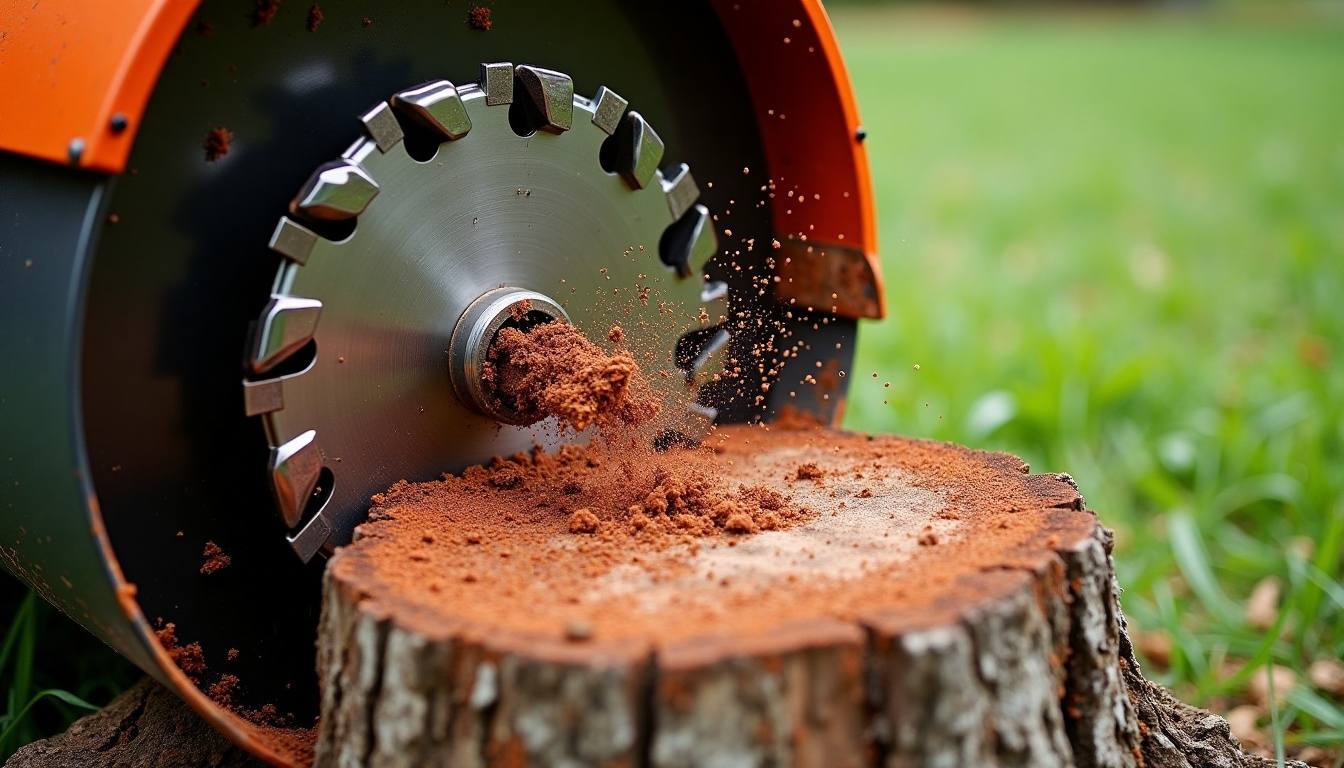
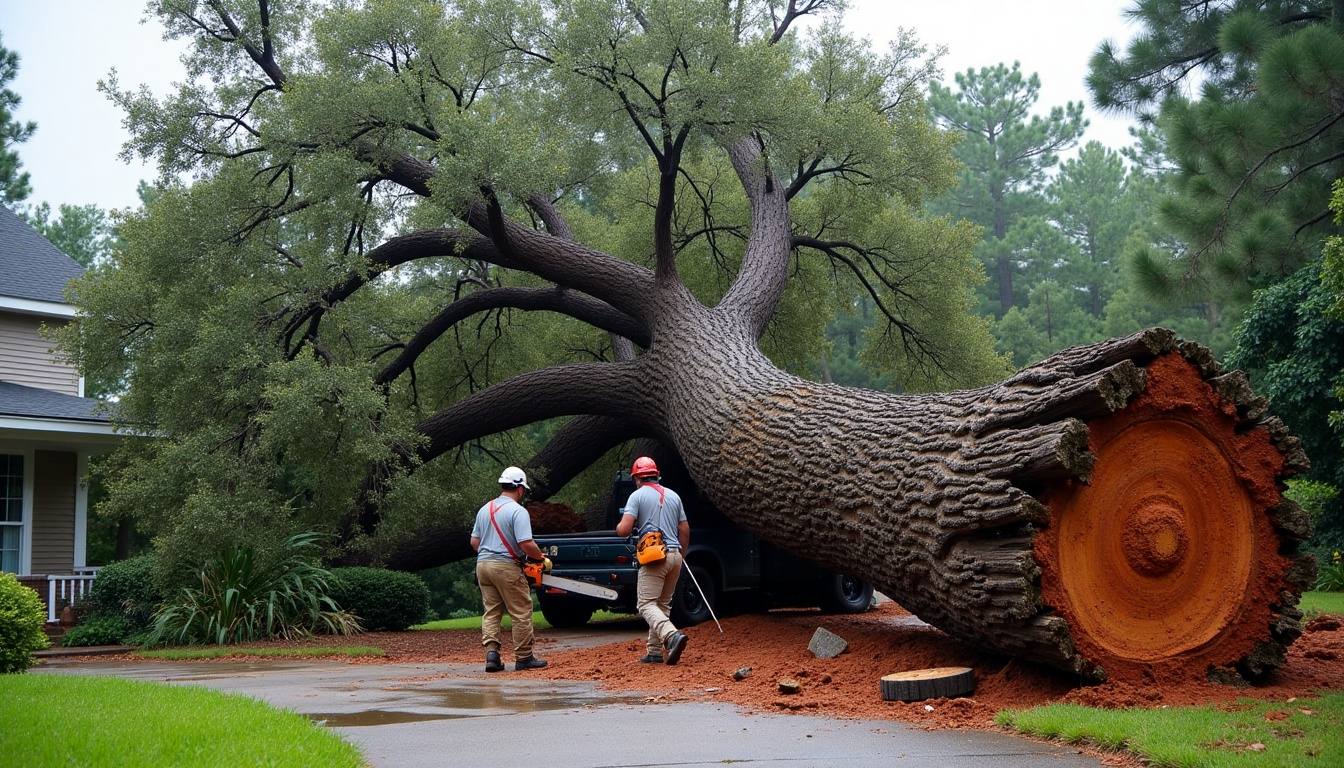
The stump stays unless you ask otherwise. Many people want the spot back to grass, and grinding what is left below grade can be added to the same visit. If a tree came down in a storm rather than on a schedule, the job looks different, and our notes on trees that fell overnight cover what to do before anyone arrives.
What Sets the Price
No two removals cost the same, and a number given over the phone without seeing the tree is a guess. Every tree job is priced after someone has walked the yard and looked up into the tree, with the price in writing before a saw starts. What moves that price is size and species, how much is hanging over a roof or line, whether the wood can be dropped or must be lowered, whether a crane is needed, how far the brush has to travel to the chipper, and whether you want the wood hauled or left.
Access matters more than people expect. A big pine in an open front yard can be simpler than a smaller oak behind a fenced back yard with a narrow gate and a pool below it. Doing two or three trees in one visit usually costs less per tree than calling us out three separate times.
Related
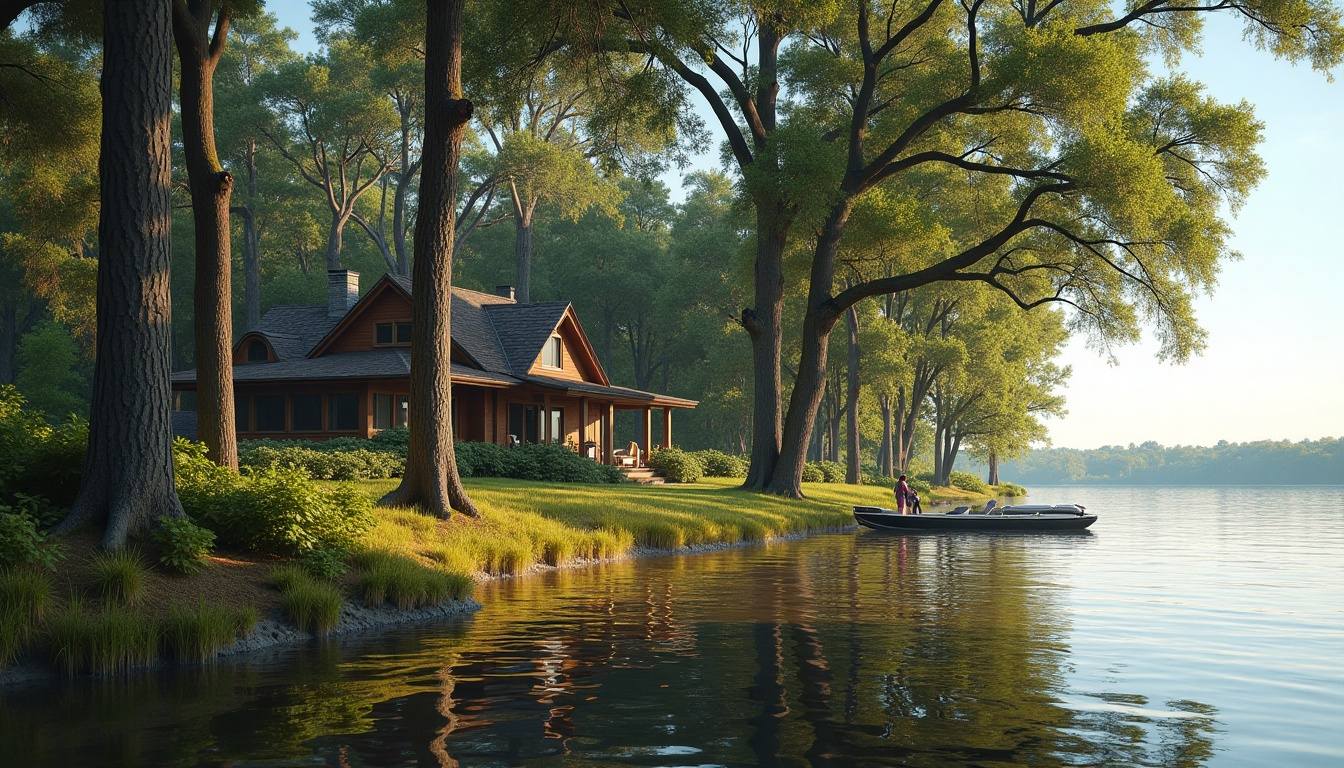
Lake Greenwood Shoreline Tree Work in Coronaca
Walk-through first, written price, free quote by form.