What Clearing Actually Involves
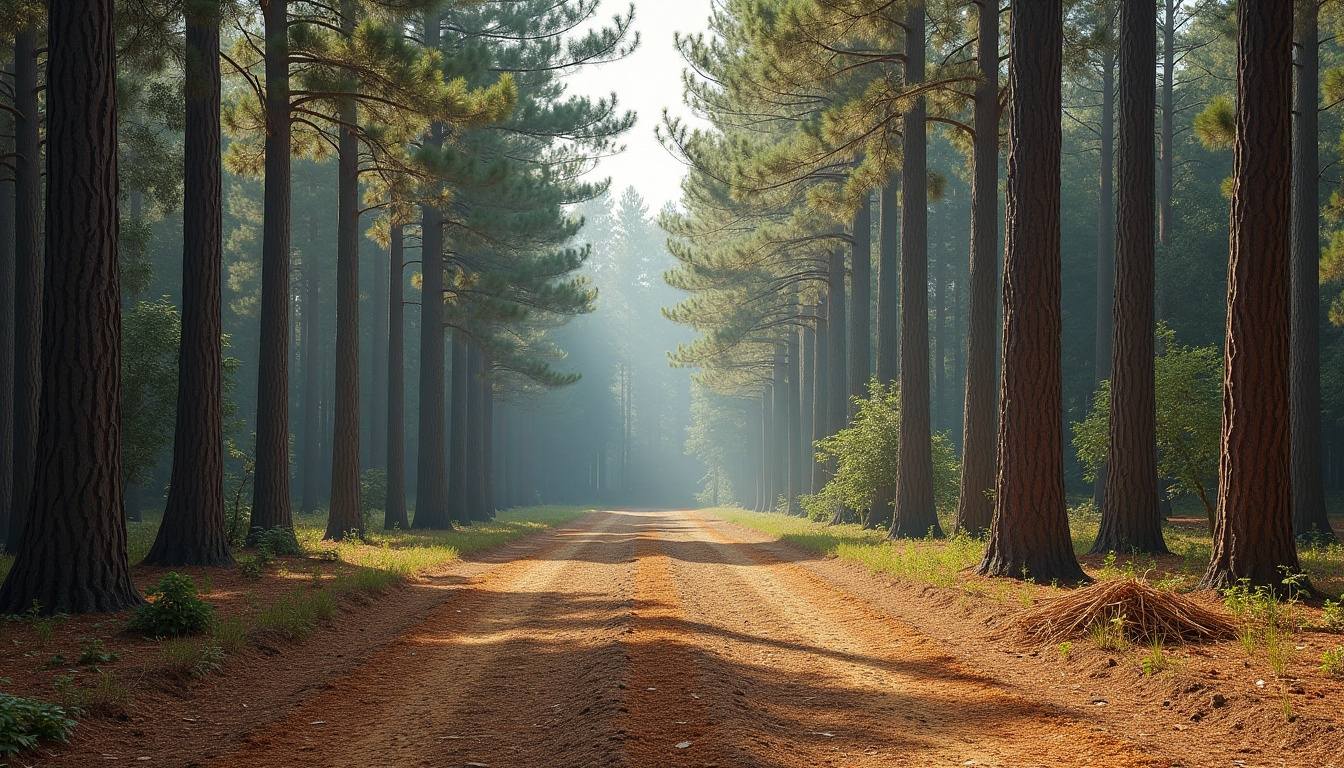
Clearing can mean very different things, so the first conversation is about what you want the land to look like afterward. Underbrush clearing takes out the brush, vines and small saplings and leaves the established trees, which opens up a wooded lot so you can see through it and walk it. Full clearing takes nearly everything down to the ground for a pad, a field or a driveway.
For brush and small trees, a compact track loader with a mulching head grinds standing material into a layer of mulch right where it grew. That keeps trucks and burn piles out of the picture and leaves a cover over the red clay that slows erosion until grass or a build takes over. Larger trees are cut by hand or felled and hauled, and anything that cannot be mulched gets chipped or removed.
Lots for a New Build
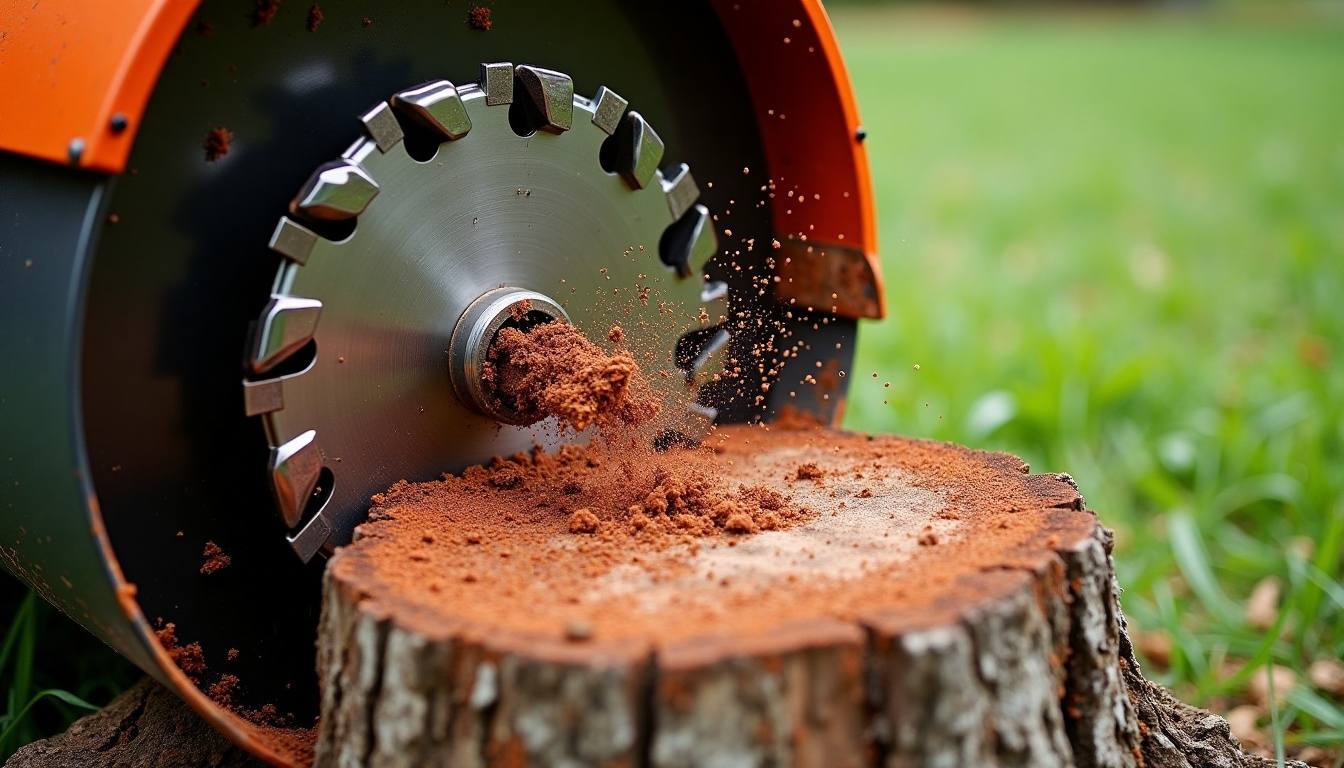
On a homesite we clear for the house pad, the driveway, the septic area and a working zone around them, then stop. Your builder or grading contractor usually wants the stumps out of the pad and drive, and those can be pulled or ground depending on what they plan to do next; grinding any stumps left in the yard area keeps the finished lawn from turning lumpy.
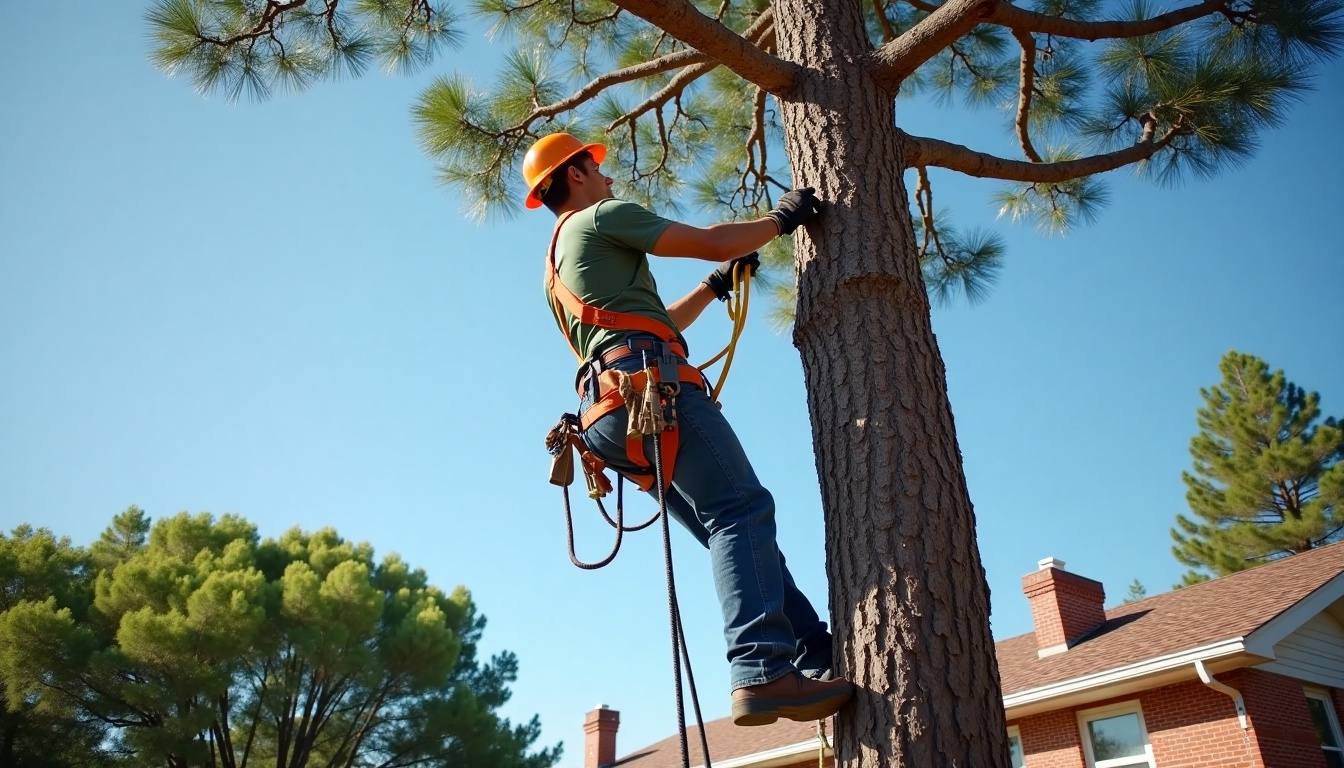
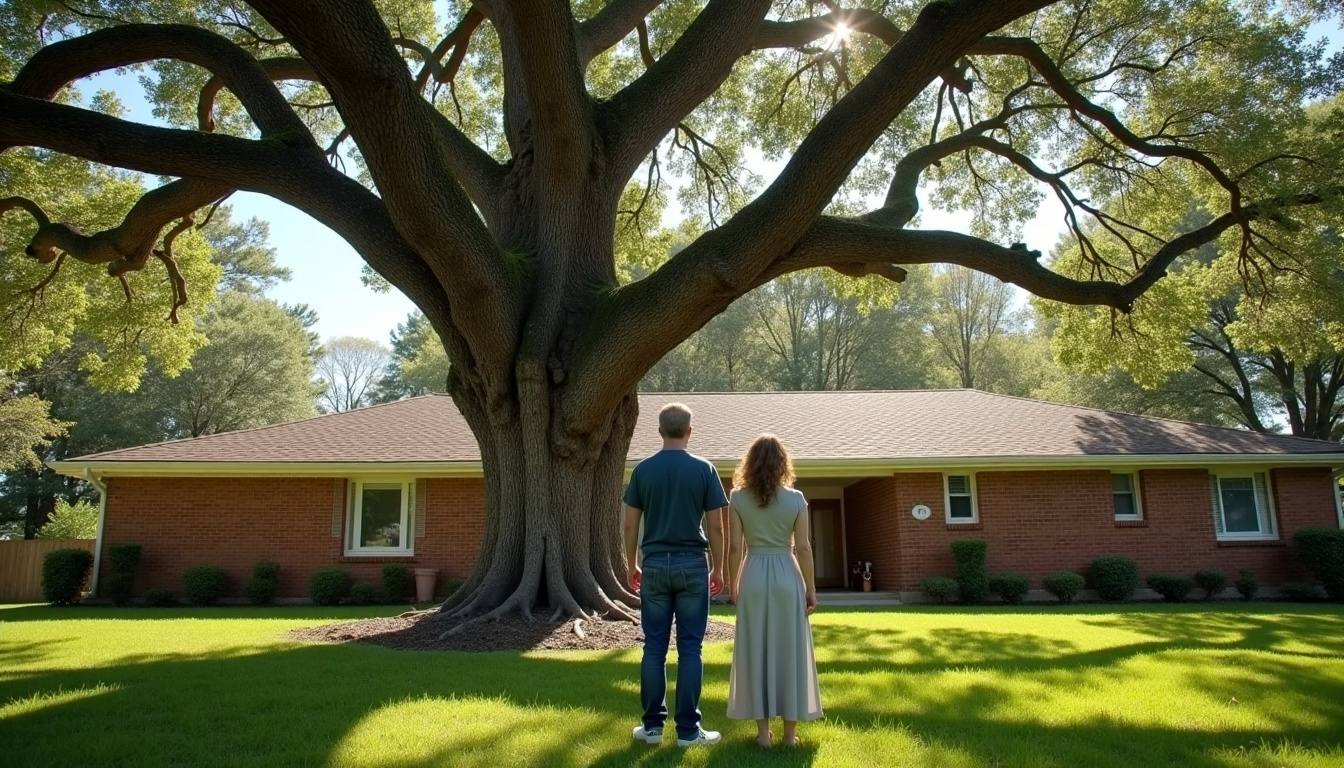
Trees you mean to keep near a new house need protection during the work, not only during the build. Heavy machines driving over the root zone of a big oak compact the clay and can kill the tree slowly over the next few years. We mark keepers, keep equipment off their roots as much as the site allows, and tell you honestly when a tree is too close to the planned footprint to survive the construction. Water oaks and pines standing right at the edge of a pad are often better taken out now than removed over a new roof five years from now.
Brush, Fence Lines and Old Pasture
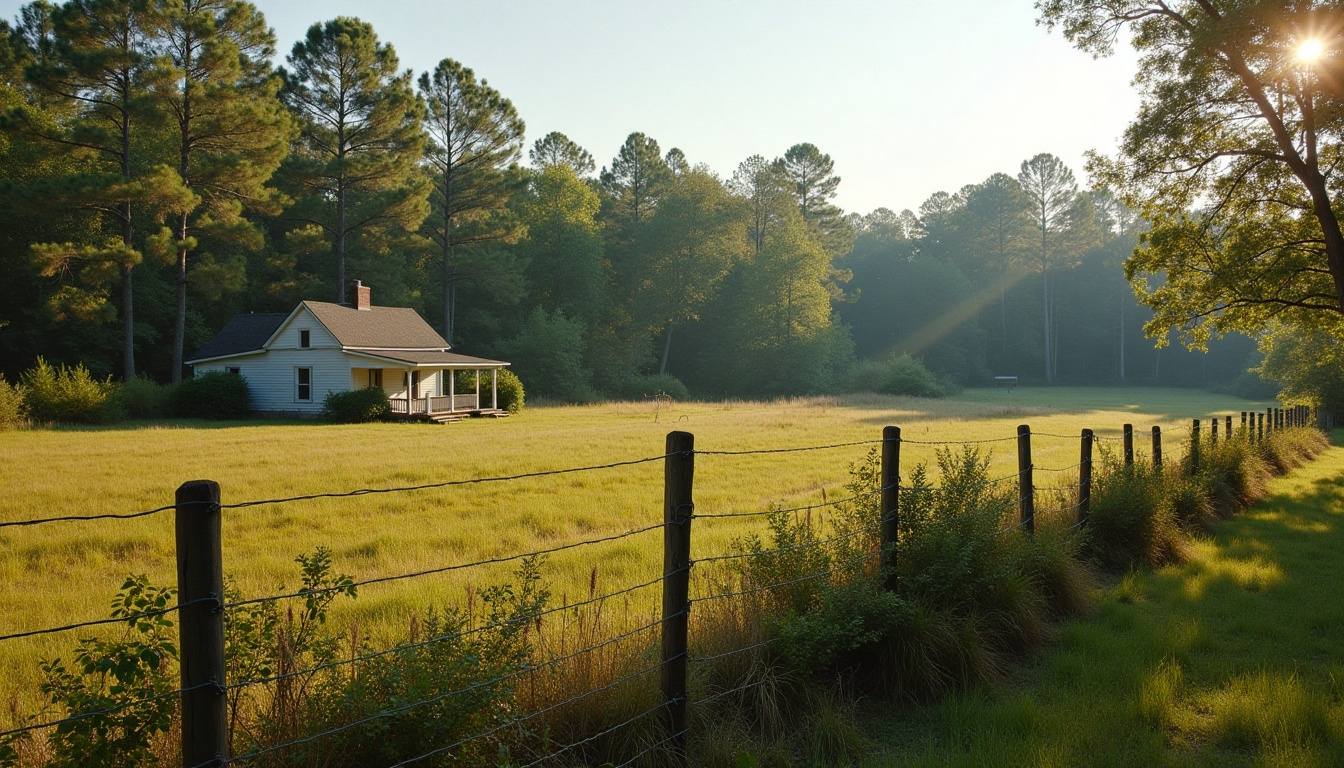
Fence lines grow over faster than any other part of a property. Birds sit on the wire, drop seeds, and within a few seasons there is a hedge of cedar, cherry, sweetgum and greenbrier wrapped through the fence. We cut and mulch a clear strip on each side so the fence can be repaired or replaced and kept mowable.
Pasture going back to woods is a similar job on a bigger scale. Out on the farms around Troy and the county's south end, a field left a few years fills with pine and sweetgum saplings that a bush hog can no longer handle. A mulcher knocks it back to open ground in a fraction of the time hand cutting would take, and the field can be mowed again from then on.
Red Clay, Rain and Timing
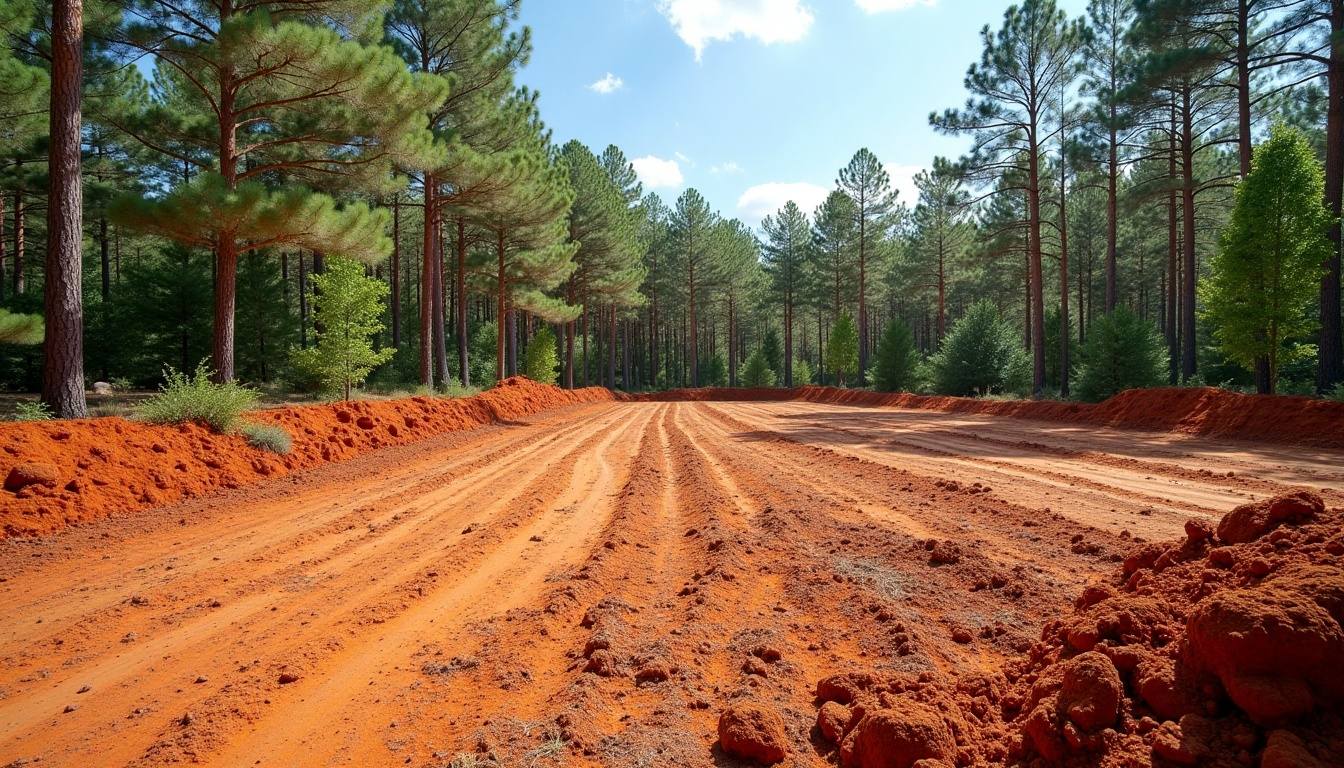
Ground conditions drive the schedule more than anything else on a clearing job. Red Piedmont clay that has been soaked by a week of rain turns slick and soft, and running a tracked machine across it ruts the lot and smears the surface so water sheets off instead of soaking in. We would rather wait a few dry days than leave you with ruts that take a season to smooth out.
Once vegetation is off a slope, bare clay washes quickly in a summer thunderstorm. Leaving the mulch layer in place, keeping a strip of brush along any ditch or creek, and getting grass or straw down soon after the work all help hold the soil. If your builder needs silt fence for a permit, that usually goes in before or right after clearing, and we can work around it.
Season plays a part too. Winter clearing is easier on the crew and the ground is often firmer, the leaves are down so the trees are easy to judge, and snakes, wasps and poison ivy are less of a factor. Late spring and summer jobs go fine as well; they just take a bit more care around nesting wasps and thick growth.
What Stays and What Goes
Before any machine starts, we walk the property with you and mark what stays. Healthy white oaks, large pecans, dogwoods and specimen hardwoods are usually worth keeping. Small water oaks and sweetgums crowded under bigger trees, beetle-killed pines, privet and anything wrapped in vines are usually the first to go. Dead and leaning trees near where people will live or work come out regardless.
Buried utilities matter here too, especially along road frontage and old home sites. Lines get located through SC 811 before any digging or stump work, and any private lines you know about should go in your message. Every tree job is priced after someone has walked the yard and looked up into the tree, with the price in writing before a saw starts. For clearing, that walk also sets the boundaries, so the price covers exactly the ground you want opened up.